Supio for Mass Tort

The AI Divide in Mass Torts

AI adoption for Mass Tort has reached a divide. Nearly half of mass tort firms now run AI as core infrastructure, but a third have no plans to touch it.

Supio Agent is the platform the committed firms are running on: claimant screening, medical record analysis, plaintiff fact sheet preparation, and bellwether identification, all pinned to source evidence your attorneys can inspect.

The middle has collapsed

How firms describe their current use of AI

All plaintiff firms n=207
0%
0%
0%
Mass tort firms n=22
0%
0%
0%
Use regularly Experimenting or evaluating No plans

Thirdside Research, State of AI in Plaintiff Law, March 2026. Mass tort segment n=22 — directional, not sized for standalone inference.

700+ firms
97%+ accuracy at scale
25+ approved mass tort types
Integrated with Westlaw Advantage
HIPAA · SOC 2 Type II · GDPR
700+ firms
97%+ accuracy at scale
25+ approved mass tort types
Integrated with Westlaw Advantage
HIPAA · SOC 2 Type II · GDPR

What Changes, By Role

The same docket looks different depending on where you sit.
Pick the role closest to yours to see how Supio addresses the challenges you face, and the firm that has already done it.
Challenge
Your growth ceiling is your paralegals' reading speed.
Every claimant you sign is funded upfront and worked up by hand. Marketing spend goes out before a single case resolves, and the number of files your team can safely review is the real cap on how much inventory the firm can carry.
How Supio solves it
Capacity stops scaling with headcount
Record review, chronologies, and fact sheet preparation move from weeks of manual labor to automated workflows, so the same team carries materially more inventory.
Acquisition spend stops evaporating
Claimants are vetted against use, injury, treatment history, and exposure timeline early — before a documentation gap turns a signed file into deadweight.
You get a live read on the whole docket
Throughput, case mix, deadline exposure, and value distribution across every active tort — answerable in plain language, traceable to the source record.
Judgment compounds instead of walking out the door
The reasoning your best attorneys apply to a treatment gap becomes a firm-wide standard every new hire inherits, rather than something they shadow for months to learn.
Bring your toughest questions. Get firm intelligence live.
Thousands
of claimants managed across NEC and hair relaxer litigation without turning client service into a document factory.
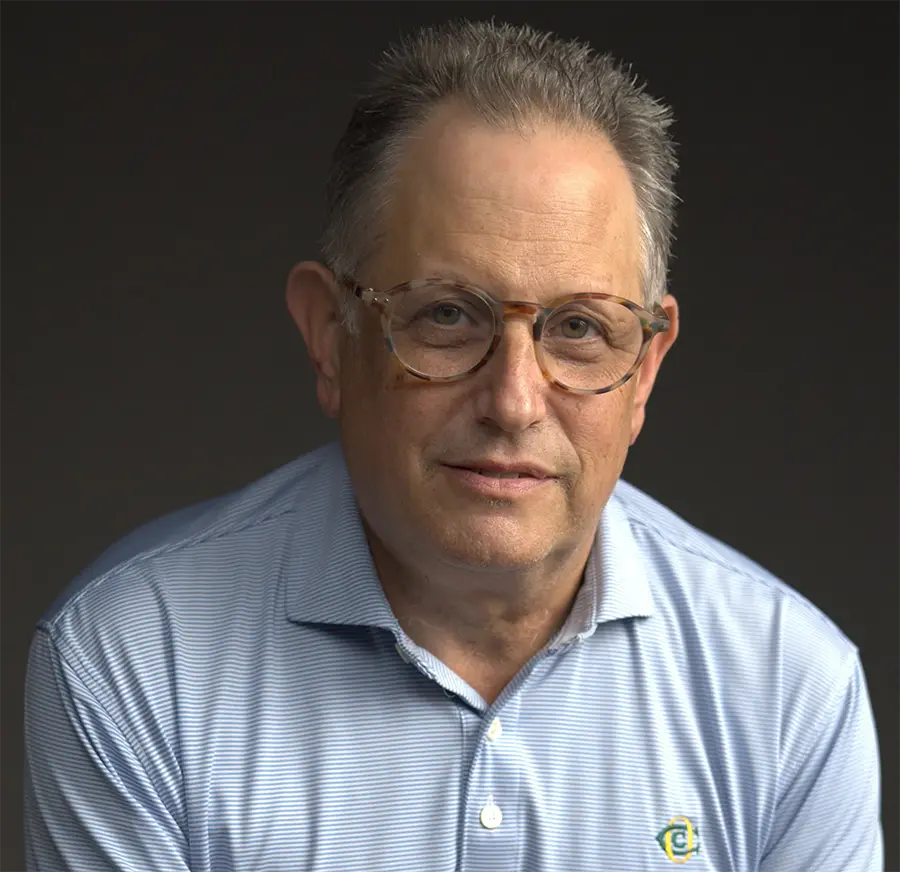
"We can handle thousands of clients."
Larry Taylor
Managing Partner, The Cochran Law Firm
Challenge
The fact that decides the case is in the pages nobody finished reading.
You are accountable for causation, bellwether picks, and what happens in the deposition — while the record arrives as tens of thousands of pages in inconsistent formats, and the carrier on the other side is reading it with automated tools.
How Supio solves it
Buried evidence surfaces before the other side finds it
Undiagnosed injuries, treatment gaps, and causation links you did not know to search for — flagged with pinned source citations.
Bellwether selection becomes a query, not a project
Search the full claimant inventory for the strongest medical evidence, cleanest causation narratives, and clearest injury progression.
Every output is traceable — that is the whole point
100% of mass tort respondents said they will not use AI content they cannot verify. Supio pins findings to the record and validates legal authority through Westlaw Advantage.
You walk into depositions holding the whole file
Contradictions in testimony, prior injury history, and treatment timelines available in the room, not after the transcript comes back.
Send a real record set. See what it finds.
5 days
to select bellwether cases, down from one to two months — across 2,200 veterans in mefloquine litigation and 450 clients in talc.
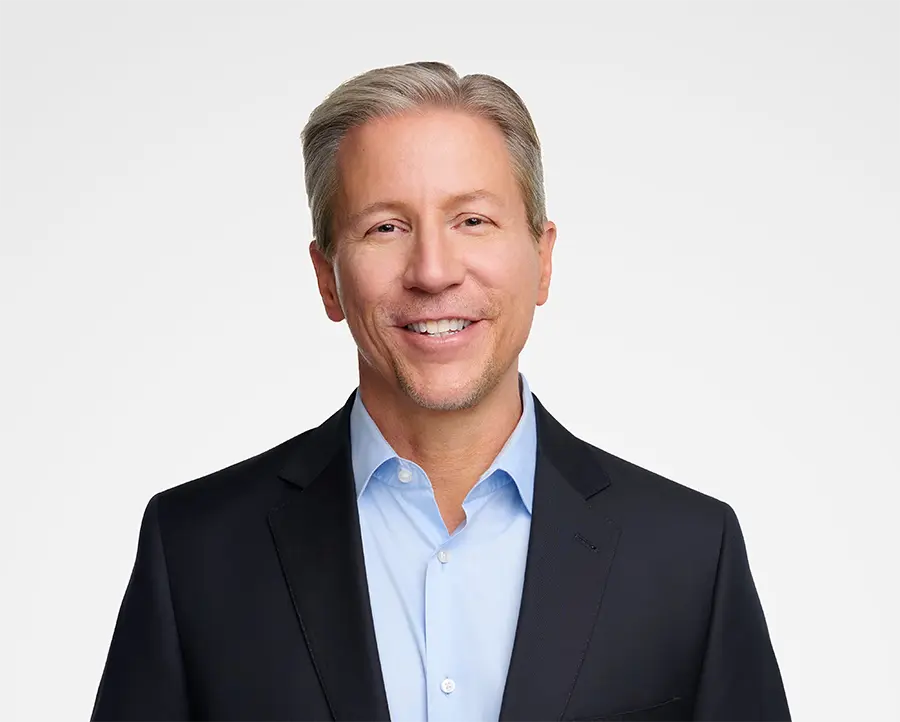
"This acceleration is transformative for mass tort litigation."
Paul Miller
Partner, Howie Sacks & Henry
Challenge
You are measured on throughput. The bottleneck is a person reading.
Intake quality and fact sheet turnaround stopped being administrative the moment MDL courts started dismissing claimants over incomplete submissions. Every fragmented handoff is now inventory at risk and marketing spend already gone.
How Supio solves it
Files arrive structured, not as a queue
Supio Agent screens and organizes claimant records continuously against your firm's and the court's qualifying criteria — your team reviews flagged exceptions instead of raw stacks.
Fact sheet compliance becomes a managed process
Documentation gaps get flagged against deadlines rather than discovered during a scramble the week they are due.
It runs inside the stack you already bought
Real-time sync with Filevine, Litify, and SmartAdvocate, plus API for anything custom. No re-keying, no parallel system of record.
Security review does not stall the deal
A closed HIPAA architecture where firm and client data never trains foundation models, with SOC 2 Type II and GDPR compliance documented up front.
We'll walk the integration and security review.
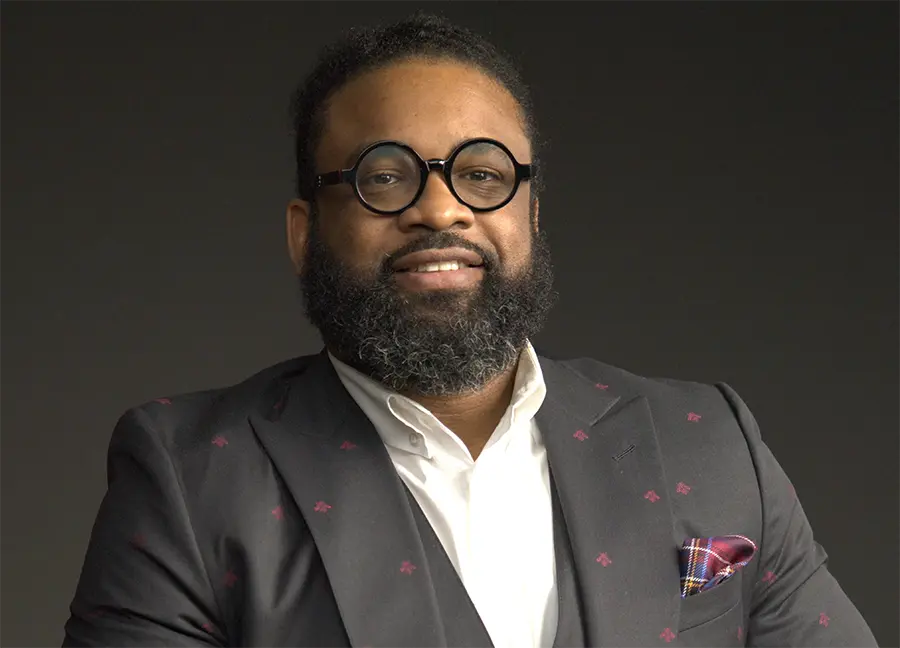
100 → 150
A 100-person national firm now operates with the efficiency of 150.
Chaffin Luhana rebuilt throughput without rebuilding the team.
Chaffin Luhana LLP
National product liability and mass tort practice

Firms Already Running It

Results from mass tort dockets, not pilot projects.

Click through to see the impact Supio is already having on Mass Tort firms.

New Research

The AI Divide in Mass Tort

A mass tort spotlight on the State of AI in Plaintiff Law 2026 study. It isolates the mass tort respondents inside the survey and finds a market that is not gradually adopting AI — it is splitting in two.

54%
of mass tort litigation attorneys use AI, more than double the plaintiff-market rate of 26%. One of the few findings in the study to reach 95% confidence.
100%
say they will not use AI content unless they can verify its sources. In mass tort, one bad fact repeats across thousands of files.
82%
expect AI to be a competitive requirement for plaintiff firms within two years, against 70% of the broader market.
204K
actions pending across 162 active MDL dockets as of July 2026, per the Judicial Panel on Multidistrict Litigation.
Thirdside Research, fielded March 11–26, 2026. n=207 U.S. plaintiff attorneys and firm leaders; mass tort segment n=22. Segment figures are directional and reported for the pattern they form, not as population estimates. Full methodology is in the report.

Where to Find Us

Meet us on the mass tort circuit this fall.

If a demo is easier in person, tell us which conference you're attending and we'll hold time.

Bring your hardest tort to the demo.

Thirty minutes, run against the work you are actually behind on — claimant screening, a fact sheet backlog, a bellwether pool you cannot narrow. You will see exactly where the evidence came from.